Nursing Diagnosis and Nursing Intervention

Showing posts with label Pharyngitis. Show all posts

Nursing Diagnosis for Pharyngitis

Nursing Diagnosis for Pharyngitis

Pharyngitis

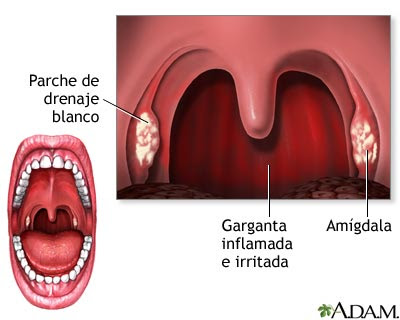
Pharyngitis is the commonest cause of simple "sore throat". It may be due to infective or other causes. Viral infections include coryza, influenza, adenovirus, herpes simplex, measles, rubella, chickenpox, Coxsackie and echoviruses. Bacterial pathogens such as streptococci, Staphylococci, Penumococci, H. Influenzae, C. diphtheriae, fusobacterium, gonococci and T. Pallidum and fungi such as Candida albicans may lead to pharyngitis. In agranulocytosis and acute leukemia, necrotic ulceration of the tonsils and pharynx may be the presenting symptom. Excessive smoking, noxious fumes, corrosive and unaccustomed spicy foods are common irritants. Pharyngitis may also be caused by allergy to inhaled or ingested allergens.


Nursing Diagnosis for Pharyngitis

1. Acute pain related to inflammation of the throat.

2. Ineffective airway clearance related to thick secretions characterized by difficulty in breathing.

3. Imbalance nutrition less than body requirements related to difficulty swallowing.

4. Knowledge Deficit related to not familiar with the sources of information.

Pathophysiology of Pharyngitis

Pathophysiology of Pharyngitis

Pathophysiology of Pharyngitis

Transmission is by droplet. Germs infiltrate the epithelial layer, then the epithelium is eroded, then the superficial lymphoid tissue inflammatory reaction occurs with the damming of polymorphonuclear leukocyte infiltration. In the early stages there is hyperemia and edema and increased secretions. Serous exudate at first, but tends to become thickened and dry and can be attached to the pharyngeal wall. By hyperemia, blood vessel walls of the pharynx to the width. Blockage forms a yellow, white, or gray present in follicles or lymphoid tissue. It appears that the lymphoid follicles and blotches on the posterior pharyngeal wall or located more laterally to become inflamed and swollen causing inflammation of the throat or pharyngitis.
Copyright © Nursing Diagnosis Intervention. All rights reserved. Template by CB | Published By Kaizen Template | GWFL | KThemes