Nursing Diagnosis and Nursing Intervention

Showing posts with label Nursing Diagnosis. Show all posts

Nursing Diagnosis related to Fluid and Electrolyte

Fluid and Electrolyte

1. Deficient Fluid volume: less than body requirements related to excessive fluid output.

Intervention:
  • Observation of vital signs.
  • Observed signs of dehydration.
  • Measure the input and output of fluid (fluid balance).
  • Provide and encourage families to give drink plenty of approximately 2000 - 2500 cc per day.
  • Collaboration with physicians in the delivery of fluid therapy, electrolyte laboratory examination.
  • Collaboration with a team of nutrition in low-sodium fluid administration.


2. Risk for Deficient fluid volume related to insufficient fluid intake, excessive discharge (vomiting / nausea).

Intervention:
  • Record the number of vomiting and bleeding characteristics.
  • Assess vital signs (BP, pulse, temperature).
  • Monitor fluid intake and output.
  • Elevate the head for taking medication.
  • Give saturated liquid / soft if the input starts again, avoid caffeinated and carbonated beverages.
  • Maintain bed rest.
  • Collaboration with fluid administration as indicated.

3. Risk for ineffective airway clearance related to the operative incision site.

Intervention:
  • Give analgesics as prescribed.
  • Fixation incision with both hands or a pillow to help patients when they cough.
  • Encourage the use of Incentive spirometer if there is an indication.
  • Help and encourage early ambulation.
  • Help the patient to change positions frequently.

4. Disturbed Body Image related to changes in appearance secondary to loss of body parts.

Intervention:
  • Encourage the patient to express feelings, especially about the thoughts, feelings, views of self. Rational: Helping patients to be aware of unusual feelings.
  • Note withdrawing behavior. Increased dependency, manipulation or not involved in treatment. Rational: Alleged problems in assessment can require follow-up evaluation and more rigorous therapy.
  • Maintain a positive approach during maintenance activities. Rational: Help the patient / person closest to accept changes in their own bodies and feel good about themselves.

Nursing Diagnosis for Urinary / Bowel Elimination : Diarrhea, Constipation

Nanda Nursing Diagnosis for Urinary / Bowel Elimination : Diarrhea, Constipation


1. Alteration in Bowel Elimination : Diarrhea

Intervention:
  • Help need for defecation (if bed rest to prepare the necessary tools near the bed, attach the curtains and immediately dispose of faeces after defecation).
  • Increase / maintain fluid intake by mouth.
  • Teach about the foods and drinks that can worsen / precipitate diarrhea.
  • Observation and record the frequency of defecation, fecal volume and characteristics.
  • Observation fever, tachycardia, lethargy, leukocytosis, decreased serum protein, anxiety and lethargy.
  • Collaboration of appropriate medication therapy program (antibiotics, anticholinergics, corticosteroids).


2. Alteration in Bowel Elimination : Constipation

Intervention:
  • Encourage lots of drinking with ambulation dinikolab laxative administration.
  • Rationalization:
  • Many drinks can help dissolve the stool with ambulation reduce constipation.
  • Formation of stools soft launch.

3. Alteration in Bowel Elimination: Constipation related to neurological disorders of the intestine and rectum.

Intervention:
  • Auscultation of bowel sounds, note the location and characteristics. Rational: bowel sounds may be absent during spinal shock.
  • Observe for abdominal distention.
  • Note the presence of complaints of nausea and want to vomit, pairs of NGT. Rational: gantrointentinal and gastric bleeding may occur due to trauma and stress.
  • Provide a balanced diet high in calories and protein; Liquid. Rational: improving stool consistency.
  • Give laxatives to order. Rational: stimulate the intestines.

4. Altered Urinary Elimination related to the drainage of urine.

Intervention:
  • Assess urine drainage system immediately.
  • Assess the adequacy of urine output and drainage system patency.
  • Use aseptic procedures and washing hands when providing care and action.
  • Maintain a closed urine drainage system.
  • If irrigation is needed and prescribed, do this action carefully using sterile saline.
  • Assist patients in the mobilization.
  • Observation of color, smell and consistency of urine volume.
  • Reduce trauma and manipulation of catheters, drainage system and urethra.
  • Clean the catheter carefully.
  • Maintain adequate fluid intake.

5. Impaired Urinary Elimination

Intervention:
  • Observation of the bladder.
  • Encourage regular bowel movements.
  • Give warm compresses.
  • Rationalization:
  • The content of urinary maintain contractions or uterine involution.
  • Urine retained causes infection.
  • Relaxation springter urine.

6. Altered Urinary Elimination related to paralysis of the urinary condition.

Intervention:
  • Assess the pattern of urination, and record urine output per hour.
  • Rationale: determine kidney function.
  • Palpation of the possibility of bladder distension.
  • Instruct the patient to drink a 2000 cc / day.
  • Rationale: helps maintain kidney function.
  • Attach the catheter Dower.
  • Rational assist the process of urine.

7. Constipation
Intervention:
  • Observation bowel sounds periodically.
  • Suggest to increase fluid intake at least 2 liters a day when no contra indications.
  • Increase activity on a regular basis.
  • For the provision of appropriate therapy, investigation is needed.
  • Dietis team collaboration for the provision of a balanced diet and high in fiber.

Nursing Diagnosis : Imbalanced Nutrition related to Hyperemesis Gravidarum

Nursing Care Plan for Hyperemesis Gravidarum - Nursing Diagnosis : Imbalanced Nutrition: less than body requirements

Hyperemesis Gravidarum

Nausea and vomiting (emesis gravidarum) is a natural phenomenon and is often caught in the first trimester of pregnancy. Nausea usually occurs in the morning, but can arise at any time and at night. These symptoms occur approximately 6 weeks after the first day of the last menstrual period and lasts for approximately 10 weeks. Nausea and vomiting occur in 60-80% primi gravida and 40-60% multi gravida. One in every thousand pregnancies, these symptoms become more severe.

Nausea is largely attributable because of increased levels of estrogen and HCG (Human Chorionic Gonadrotropin) in serum. Physiological effect of the hormone increase is not clear, probably because the central nervous system or the gastric emptying of the stomach is reduced. In general, women can adapt to this situation, though symptoms of severe nausea and vomiting that can last up to 4 months. Daily work was interrupted, and the general condition became worse. This condition is called hyperemesis gravidarum. Complaints of symptoms and physiological changes determine the severity of the disease. (Prawirohardjo, 2002)

Hyperemesis gravidarum is defined as excessive vomiting or uncontrolled during pregnancy, which causes dehydration, electrolyte imbalance, or nutritional deficiencies, and weight loss. The incidence of this condition is approximately 3.5 per 1000 births. Although most cases of missing and disappeared over time, one out of every 1,000 pregnant women will undergo hospitalization. Hyperemesis gravidarum usually disappear on their own (self-limiting), but healing is slow and frequent relapses are common. The condition often occurs among primigravida women and tends to recur in subsequent pregnancies. (Lowdermilk, 2004).


Nursing Diagnosis for Hyperemesis Gravidarum : Imbalanced Nutrition: less than body requirements related to excessive frequency of nausea and vomiting.

Read More : http://nandahealth.blogspot.com/2013/09/imbalanced-nutrition-related-to.html

Nursing Diagnosis - Impaired Swallowing related to Dysphagia

Dysphagia is difficulty in swallowing process and skip the food from the esophagus to the stomach. Causes of dysphagia can be various kinds. It is important to know the difference dysphagia due to oropharyngeal and esophageal disorders.

Dysphagia can be found on some of the causes that can cause the condition include:
  • Stroke
  • Progressive neurological disease
  • The lapse trachestomy
  • Paralise or absence of movement of the vocal cords
  • Tumors in the mouth
  • Head surgery
At regurgitation is often caused by acid that rises from the stomach (acid reflux). Regurgitation can also be caused by a narrowing (stricture) or blockage of the esophagus. Where blockage can occur due to several causes, including cancer of the esophagus, by impaired nerve control valve in the esophagus and the mouth of the stomach.

Impaired Swallowing Definition :
Abnormal functioning of the swallowing mechanism associated with deficits in oral, pharyngeal, or esophageal structure or function

Nursing Diagnosis for Dysphagia

Impaired swallowing related to weakness of the muscles due to paralise.

Expected results:
Patients can demonstrate the proper method of ingest food without causing despair

Intervention:
  • Review the patient's ability to swallow, note the extent of facial paralysis.
  • Increase efforts to be able to perform effective ingestion such as helping the patient hold his head.
  • Place the patient in a sitting position / upright during and after eating.
  • Stimulation lips to open and close the mouth manually by pressing lightly on the lips / under the chin.
  • Place the food in the mouth is not sick / impaired.
  • Most in touch with the cheeks spatel tongue to detect weaknesses.
  • Give eat slowly in a quiet environment.
  • Start by giving oral semi-liquid foods, soft foods when the patient can swallow water.
  • Help the patient to choose foods that are small or do not need to chew and easy to swallow.
  • Instruct the patient to use a straw to drink liquids.
  • Encourage you to participate in an exercise program.


Nursing Diagnosis - Acute Pain related to Gastritis

Gastritis is an inflammation of the lining of the stomach, and has many possible causes. Is a major cause of acute excessive alcohol consumption or prolonged use of nonsteroidal anti-inflammatory drugs such as aspirin or ibuprofen.

Sometimes gastritis develops after major surgery, traumatic injury, burns, or severe infections. Gastritis may also occur in those who have had weight loss surgery resulting in ribbon or reconstruction of the gastrointestinal tract.

Cause of chronic gastritis is infection with bacteria, primarily Helicobacter pylori''''. Certain diseases, such as pernicious anemia, chronic bile reflux, stress and certain autoimmune disorders can cause gastritis as well.

The most common symptom is abdominal upset or pain. Other symptoms are indigestion, flatulence, nausea, and vomiting.

Some people may have a feeling of fullness or burning in the upper abdomen. A gastroscopy, blood test, complete blood count tests, or stool tests can be used to diagnose gastritis. Treatment includes taking antacids or other medications, such as proton pump inhibitors or antibiotics, and avoiding hot or spicy foods. For those with pernicious anemia, B12 injections are given.

Nursing Diagnosis - Acute Pain related to Gastritis

Acute Pain related to inflammation of the mucosal lining of the stomach (gastric)

Goal:
  • Pain is reduced with no inflammation or irritation of the gastric mucosa.

Outcomes:
  • Pain scale is reduced
  • Do not feel pain in the epigastric
  • Not grimace (no abdominal tenderness)

Interventions:
  • Record complaints of pain, including the location, duration, intensity (scale of 0-10)
  • Review the factors that increase or decrease pain
  • Give food a little but often as an indication for patients
  • Assistive range of motion exercises active / passive
  • Provide frequent oral care and comfort measures (back massage, change of positions)
Collaboration:
  • Give medication as indicated

Rational:
  • Pain is not always there but if there is to be compared with the previous patient's symptoms of pain, which can help diagnose the etiology and occurrence of bleeding complications.
  • Assist in making the diagnosis and therapeutic needs.
  • Have the effect of neutralizing acidic foods, it also destroyed the womb gaster.Makan little gastrin prevent distension and output
  • Lowering joint stiffness, pain minimizing discomfort.
  • Bad breath because tertahanya oral secretions cause no appetite and can increase nausea. Gingivitis and dental problems can increase

Ineffective Airway Clearance related to Bronchopneumonia

Ineffective Airway Clearance related to Bronchopneumonia

Nursing Care Plan for Bronchopneumonia

Ineffective Airway Clearance : Inability to clear secretions or obstructions from the respiratory tract to maintain a clear airway

Bronchopneumonia is a type of pneumonia. Pneumonia is inflammation of the lungs, caused by infection from viruses, bacteria, or fungi. The infection causes inflammation in the alveoli (also known as air sacs) in the lungs, causing the alveoli to become filled with pus or fluid.

Both forms of pneumonia are often caused by coming into contact with viruses and bacteria in your day-to-day routine. Most cases of bacterial pneumonia are caused by the bacterium Streptococcus pneumonia; however, it is not uncommon for pneumonia to be caused by more than one type of bacteria. Other possible culprits include:
  • Staphylococcus aureus
  • Haemophilus influenzae
  • Klebsiella pneumoniae
Most cases of viral pneumonia are caused by the same viruses that cause cold and flu.


Nursing Diagnosis for Bronchopneumonia

Ineffective Airway clearance related to increased sputum production

Subjective Data
  • Patients complain of fuss
  • Patients complain of shortness of breath
  • Patients do not want to eat
  • Parents expressed not understand about his illness

Objective Data
  • Breathing fast and shallow
  • Nostril breathing
  • Ronchi and cyanosis
  • Coughing purulent sputum
  • The use of auxiliary respiratory muscles
  • Breath sounds bronchovesikuler
  • vomiting vomiting
  • Malaise
  • Decreased appetite and weight loss
  • Increased respiration

Goals:

Clean and effective airway after the treatment, the criteria:
  • No dypsnoe, cyanosis, Ronchi
  • BGA mormal

Intervention:
  1. Assess the respiratory rate, record the ratio of inspiration / expiration.
  2. Perform auscultation of breath sounds, note the presence of breath sounds. For example: wheezing, crackles.
  3. Provide semi-Fowler position.
  4. Provide a warm drink a little bit but it often.
  5. Implement the discretionary actions: bronchodilator, mucolytics, to liquefy phlegm so easily removed.

Rational:
  1. Tachypnea is usually present in some degree and can be found at the reception or during stress / presence of acute infectious process. Respiratory frequency can be slowed down and elongated than the expiration of inspiration.
  2. Airway clearance ineffective may be manifested in the presence of breath sounds adventisius.
  3. Semi-Fowler position will make it easier for patients to breathe.
  4. Hydration decrease the viscosity of secretions and facilitate expenditure.
  5. Provision of medicines pengerncer sputum airway facilitate the evacuation process.

Nursing Diagnosis for Thyroid Cancer

Nursing Diagnosis for Thyroid Cancer
Thyroid cancer is a depressing malignancy in thyroid which has 4 types, namely: papillary, follicular, medullary and anaplastic. Thyroid cancer rarely causes enlargement of the gland, often causing small growth (nodule) in the gland. The majority of thyroid nodules are benign, thyroid cancer is usually curable.

Thyroid cancer often limits the ability to absorb iodine and limit the ability to produce thyroid hormone, but sometimes produce enough thyroid hormone, causing hyperthyroidism.

Thyroid cancer occurs in the cells of the thyroid gland (an organ shaped like a butterfly located on the nape of the neck), which serves to produce hormones to regulate the speed of the heart beat, blood pressure, body temperature and weight.


According to WHO, malignant epithelial thyroid tumors are divided into:

1. Follicular carcinoma.
There are roughly 25% of all thyroid carcinomas exist, especially regarding the age group above 50 years. Invade the bloodstream and then spread to the bone and lung tissue. Rarely spread to regional lymph nodes but can be attached / stuck in the trachea, neck muscles, and blood vessels of the skin, which then causes dyspnea and dysphagia. When the tumor on "The recurrent laryngeal Nerves", a hoarse voice clients. The prognosis is good if metastasenya still a bit by the time the diagnosis is set.

2. Papillary carcinoma.
Is a type of thyroid cancer that is often found, a lot of women or the age group above 40 years. Papillary carcinoma is a tumor that progress has been slow and can appear many years before spreading to regional lymph nodes. When the tumor is localized in the thyroid gland, the prognosis is good if the action Thyroidectomy partial or total.

3. Medullary carcinoma.
Parafolikular arising in thyroid tissue. Amount of 5-10% of all thyroid carcinomas and generally the people aged over 50 years. Spread through the lymph nodes and invade surrounding structures. These tumors often occur and are part of the Multiple Endocrine Neoplasia (MEN) Type II which is also part of the endocrine disease, where there is excessive secretion of calcitonin, ACTH, prostaglandin and serotonin.

4. Poorly differentiated carcinoma (anaplastic).
Tumor is growing quickly and outstanding aggressive. This type of cancer is directly attacking adjacent structures, which cause symptoms such as:
  • Stridor (sound raspy / hoarse, loud audible breath sounds).
  • Hoarseness.
  • Dysphagia
The prognosis is poor and most of the clients died about 1 year after diagnosis set. Clients with a diagnosis of anaplastic carcinoma can be treated with palliative surgery, radiation and chemotherapy.

Etiology of the disease is uncertain, whose role is to occur particularly well differentiated (papillary and follicular) are radiation and endemic goiter, and for medullary type is a genetic factor. Carcinoma who have not known a role for anaplastic and medullary cancers. Estimated cancer types derived from anaplastic thyroid cancer changes berdiferensia good (papillary and follicular), with the possibility of the follicular type twice as large.

Radiation is one of the etiologic factors of thyroid cancer. Many cases of cancer in children previously received radiation to the head and neck due to other diseases. Radiation effects usually appear after 5-25 years, but an average of 9-10 years. The old TSH stimulation is also one of etiological factors of thyroid cancer. Other risk factors are a family history of thyroid cancer and chronic goiter.

There are also factors such as genetic abnormalities predisposisilainnya, age, sex, race, and place of residence (coastal area).

Clinical suspicion of thyroid carcinoma is based on the observation that was confirmed by pathological examination and suspicion are divided into high, medium and low. Which includes high suspicion are:
  • Multiple endocrine neoplasia history in the family.
  • Rapid tumor growth.
  • Hard palpable nodules.
  • Fixation surrounding area.
  • Paralysis of the vocal cords.
  • Enlargement of regional lymph nodes.
  • The presence of distant metastases.


Nursing Diagnosis for Thyroid Cancer
  1. Ineffective airway clearance related to obstruction of the trachea by the pressure of the tumor mass
  2. Acute pain related to the pressure / swelling by tumor nodule
  3. Impaired verbal communication related to vocal cord injury
  4. Anxiety related to changes in health
  5. Imbalanced Nutrition: less than body requirements related to swallowing disorders
  6. Disturbed Body Image related to the incision secondary to thyroid cancer surgery
  7. Knowledge Deficit related to lack of information about the disease.

Anthrax Nursing Diagnosis

Anthrax is an infectious disease caused by Bacillus anthracis. The disease is a zoonosis especially grazing animals such as sheep, goats, and cattle. Humans infected with the disease when endospores enter the body through skin abrasions or wounds, inhalation or contaminated food. Naturally humans can be infected if it comes in contact with anthrax-infected animals or contaminated animal products anthrax germs. Although rare, transmission through insect bites can also occur. Potential spread of spores by aerosol used in warfare and bioterrorism.

Nursing Diagnosis for Anthrax

1. Ineffective Airway Clearance related to airway obstruction
characterized by: audible stridor, dyspnea, cough with purulent sputum, radiological examination looks mediastinal widening, pleural effusion.

2. Ineffective breathing pattern related to decreased lung expansion
characterized by: dyspnea, use of accessory muscles, increased respiration.

3. Acute pain related to the injury of biological agents
characterized by: the client complains of pain, dyspnea, rapid pulse, looked nervous.

4. Impaired swallowing related to mechanical obstruction (oropharyngeal edema)
characterized by: the client indicates difficulty in swallowing, complain of pain when swallowing.

5. Constipation related to decreased motility of the GI tract
characterized by: the client said it was difficult defecation, hypoactive bowel sounds, presence of blood in stools, hard stools.

6. Diarrhea related to an increase in GI motility
characterized by: liquid bowel movements difficult and more than 3 times / day, hyperactive bowel sounds and abdominal pain.

7. Impaired Skin Integrity related to irritant toxin anthrax bacteria
characterized by: The primary skin lesions are not painful and itchy papules, vesicles containing fluid jerni, vesicles give rise eskar central necrosis (necrotic ulcer) surrounded by edema distinctive black and purple vesicles.

8. Hyperthermia related to increased metabolic
characterized by: an increase in body temperature above the normal range (36.5 to 37.5), resipiirasi increased, and red skin.

Nursing Diagnosis for Uncomplicated Malaria

Uncomplicated Malaria

The classical (but rarely observed) malaria attack lasts 6-10 hours. It consists of
  • a cold stage (sensation of cold, shivering)
  • a hot stage (fever, headaches, vomiting; seizures in young children)
  • and finally a sweating stage (sweats, return to normal temperature, tiredness).
More commonly, the patient presents with a combination of the following symptoms: fever, chills, sweats, headaches, nausea and vomiting, body aches, general malaise.

Nursing Diagnosis for Uncomplicated Malaria

  1. Hyperthermia related to the disease, characterized by a body temperature of clients more than 37.5 degrees Celsius, acral palpable warmth.
  2. Risk for fluid volume deficit related to active fluid output (vomiting, sweating, fever)
  3. Acute pain related to injury biological agent, characterized by a client complains of pain in the head, and pain in the body, the client looks grimace.
  4. Hypothermia related to the disease, characterized by the client looks chills, body temperature below 36.5 degrees Celsius, the client looks sweaty.
  5. Risk for imbalanced Body Temperature related to the disease.
  6. Nausea related to toxin (plasmodium infection in an area that affects the central nervous vomiting), characterized by clients complaining of nausea, anorexia.
  7. Fatigue related to energy imbalance, characterized by the client looks tired, the client looks sleepy.
  8. Risk for infection related to increased exposure to the environment.

Nursing Care Plans: Diagnoses, Interventions, and Outcomes

The bestselling nursing care planning book on the market, Nursing Care Plans: Diagnoses, Interventions, and Outcomes, 8th Edition covers the most common medical-surgical nursing diagnoses and clinical problems seen in adults. It includes 217 care plans, each reflecting the latest evidence and best practice guidelines. NEW to this edition are 13 new care plans and two new chapters including care plans that address health promotion and risk factor management along with basic nursing concepts that apply to multiple body systems. Written by expert nursing educators Meg Gulanick and Judith Myers, this reference functions as two books in one, with 147 disorder-specific and health management nursing care plans and 70 nursing diagnosis care plans to use as starting points in creating individualized care plans.

Read More : Nursing Care Plans: Diagnoses, Interventions, and Outcomes, 8e

  • 217 care plans --- more than in any other nursing care planning book.
  • 70 nursing diagnosis care plans include the most common/important NANDA-I nursing diagnoses, providing the building blocks for you to create your own individualized care plans for your own patients.
  • 147 disorders and health promotion care plans cover virtually every common medical-surgical condition, organized by body system.
  • Prioritized care planning guidance organizes care plans from actual to risk diagnoses, from general to specific interventions, and from independent to collaborative interventions.
  • Nursing diagnosis care plans format includes a definition and explanation of the diagnosis, related factors, defining characteristics, expected outcomes, related NOC outcomes and NIC interventions, ongoing assessment, therapeutic interventions, and education/continuity of care.
  • Disorders care plans format includes synonyms for the disorder (for easier cross referencing), an explanation of the diagnosis, common related factors, defining characteristics, expected outcomes, NOC outcomes and NIC interventions, ongoing assessment, and therapeutic interventions.
  • Icons differentiate independent and collaborative nursing interventions.
  • Student resources on the Evolve companion website include 36 of the book's care plans - 5 nursing diagnosis care plans and 31 disorders care plans.
  • Three NEW nursing diagnosis care plans include Risk for Electrolyte Imbalance, Risk for Unstable Blood Glucose Level, and Risk for Bleeding.
  • Six NEW health promotion/risk factor management care plans include Readiness for Engaging in a Regular Physical Activity Program, Readiness for Enhanced Nutrition, Readiness for Enhanced Sleep, Readiness for Smoking Cessation, Readiness for Managing Stress, and Readiness for Weight Management.
  • Four NEW disorders care plans include Surgical Experience: Preoperative and Postoperative Care, Atrial Fibrillation, Bariatric Surgery, and Gastroenteritis.
  • NEW Health Promotion and Risk Factor Management Care Plans chapter emphasizes the importance of preventive care and teaching for self-management.
  • NEW Basic Nursing Concepts Care Plans chapter focuses on concepts that apply to disorders found in multiple body systems.
  • UPDATED care plans ensure consistency with the latest U.S. National Patient Safety Goals and other evidence-based national treatment guidelines.
  • The latest NANDA-I taxonomy keeps you current with 2012-2014 NANDA-I nursing diagnoses, related factors, and defining characteristics.
  • Enhanced rationales include explanations for nursing interventions to help you better understand what the nurse does and why.

Read More : Nursing Care Plans: Diagnoses, Interventions, and Outcomes, 8e

NANDA Impaired Swallowing Nursing Diagnosis

NANDA Definition: Abnormal functioning of the swallowing mechanism associated with deficits in oral, pharyngeal, or esophageal structure or function

Defining Characteristics:

Oral phase impairment

  • Lack of tongue action to form bolus; 
  • weak suck resulting in inefficient nippling; 
  • incomplete lip closure; 
  • food pushed out of mouth; 
  • slow bolus formation; 
  • food falls from mouth; 
  • premature entry of bolus; 
  • nasal reflux; 
  • inability to clear oral cavity;
  • long meals with little consumption; 
  • coughing, choking, or gagging before a swallow; 
  • abnormality in oral phase of swallow study; 
  • piecemeal deglutition; 
  • lack of chewing; 
  • pooling in lateral sulci; 
  • sialorrhea or drooling
Pharyngeal phase impairment
  • Altered head positions; 
  • inadequate laryngeal elevation; 
  • food refusal; 
  • unexplained fevers; 
  • delayed swallow; 
  • recurrent pulmonary infections; 
  • gurgly voice quality; 
  • nasal reflux; 
  • choking, coughing, or gagging;
  • multiple swallows; 
  • abnormality in pharyngeal phase by swallowing study
Esophageal phase impairment
  • Heartburn or epigastric pain; 
  • acidic smelling breath; 
  • unexplained irritability surrounding mealtime; 
  • vomitous on pillow; 
  • repetitive swallowing or ruminating; 
  • regurgitation of gastric contents or set burps; 
  • bruxism; 
  • nighttime coughing or awakening; 
  • observed evidence of difficulty in swallowing (e.g., stasis of food in oral cavity, coughing, or choking); 
  • hyperextension of head, arching during or after meals; 
  • abnormality in esophageal phase by swallow study; 
  • odynophagia; 
  • food refusal or volume limiting; 
  • complaints of "something stuck"; 
  • hematemesis; 
  • vomiting

Related Factors:
  • Congenital deficits; 
  • upper airway anomalies; 
  • failure to thrive; 
  • protein energy malnutrition; 
  • conditions with significant hypotonia; 
  • respiratory disorders; 
  • history of tube feeding; 
  • behavioral feeding problems; 
  • self-injurious behavior; 
  • neuromuscular impairment (e.g., decreased or absent gag reflex, decreased strength or excursion of muscles involved in mastication, perceptual impairment, or facial paralysis); 
  • mechanical obstruction (e.g., edema, tracheotomy tube, or tumor); 
  • congenital heart disease; 
  • cranial nerve involvement; 
  • neurological problems; 
  • upper airway anomalies; 
  • laryngeal abnormalities; 
  • achalasia; 
  • gastroesophageal reflux disease; 
  • acquired anatomic defects; 
  • cerebral palsy;
  • internal or external traumas; tracheal, laryngeal, esophageal defects; 
  • traumatic head injury; 
  • developmental delay; 
  • nasal or nasopharyngeal cavity defects; 
  • oral cavity or oropharynx abnormalities; 
  • premature infants

NOC Outcomes (Nursing Outcomes Classification)

Suggested NOC Labels
  • Swallowing Status
  • Swallowing Status: Esophageal Phase, Oral Phase, Pharyngeal Phase
Client Outcomes
  • Demonstrates effective swallowing without choking or coughing
  • Remains free from aspiration (e.g., lungs clear, temperature within normal range)
NIC Interventions (Nursing Interventions Classification)

Suggested NIC Labels
  • Aspiration Precautions
  • Swallowing Therapy
Read More : http://nanda-nic-noc.blogspot.com/2013/03/impaired-swallowing-nursing-diagnosis.html

NANDA Risk for Falls Nursing Diagnosis

NANDA Definition: Increased susceptibility to falling that may cause physical harm

Related Factors: See Risk Factors

Risk Factors:

Adults

  • History of falls; 
  • wheelchair use; 
  • (65 years of age; 
  • female (if elderly); 
  • lives alone; 
  • lower limb prosthesis; 
  • use of assistive devices (e.g., walker, cane)
Physiological
  • Presence of acute illness; 
  • postoperative conditions; 
  • visual difficulties; 
  • hearing difficulties; 
  • arthritis; 
  • orthostatic hypotension; 
  • sleeplessness; 
  • faintness when turning or extending neck; 
  • anemias; 
  • vascular disease; 
  • neoplasms (i.e., fatigue/limited mobility, urgency and/or incontinence, diarrhea, decreased lower extremity strength, posprandial blood sugar changes, foot problems, impaired physical mobility, impaired balance, difficulty with gait, unilateral neglect, proprioceptive deficits, neuropathy)
Cognitive
  • Diminished mental status (e.g., confusion, delerium, dementia, impaired reality testing)
Medication
  • Antihypertensive agents; 
  • ACE-inhibitors; 
  • diuretics; 
  • tricyclic antidepressants; 
  • alcohol use; 
  • antianxiety agents; 
  • opiates; 
  • hypnotics or tranquilizers
Environment
  • Restraints; 
  • weather conditions (e.g., wet floors/ice); 
  • throw/scatter rugs; 
  • cluttered environment; 
  • unfamiliar, dimly lit room; 
  • no antislip material in bath and/or shower
Children (<2 years of age)
  • Male gender when <1 year of age; 
  • lack of auto restraints; lack of gate on stairs; 
  • lack of window guard; bed located near window; 
  • unattended infant on bed/changing table/sofa; 
  • lack of parental supervision


NOC Outcomes (Nursing Outcomes Classification)

Suggested NOC Labels
  • Safety Behavior: Fall Prevention
  • Knowledge: Child Safety
Client Outcomes
  • Remains free of falls
  • Changes environment to minimize the incidence of falls
  • Explains methods to prevent injury

NIC Interventions (Nursing Interventions Classification)

Suggested NIC Labels
  • Fall Prevention
  • Dementia Management
  • Safety
Read More : http://nanda-nic-noc.blogspot.com/2013/04/risk-for-falls-nursing-diagnosis.html

NANDA Urinary Retention Nursing Diagnosis

NANDA Definition: Incomplete emptying of the bladder

Defining Characteristics:

  • Measured urinary residual >150 to 200 ml or 25% of total bladder capacity; 
  • obstructive lower urinary tract symptoms (poor force of stream, intermittency of stream, hesitancy of urination, postvoiding dribbling, feelings of incomplete bladder emptying); 
  • irritative lower urinary tract symptoms (urgency to urinate, diurnal frequency of urination, nocturia); 
  • overflow incontinence (dribbling urine loss caused when intravesical pressure overwhelms the sphincter mechanism)

Related Factors:
  • Bladder outlet obstruction: benign prostatic hyperplasia, prostate cancer, prostatitis, urethral stricture, bladder neck dyssynergia, bladder neck contracture, detrusor striated sphincter dyssynergia, obstructing cystocele or urethral distortion, urethral tumor, urethral polyp, posterior urethral valves, postoperative complication
  • Deficient detrusor contraction strength: sacral level spinal lesions, cauda equina syndrome, peripheral polyneuropathies, herpes zoster or simplex affecting sacral nerve roots, injury or extensive surgery causing denervation of pelvic plexus, medication side effect, complication of illicit drug use, impaction of stool
NOC Outcomes (Nursing Outcomes Classification)

Suggested NOC Labels
  • Urinary Elimination
  • Urinary Continence
Client Outcomes
  • Completely and regularly eliminates urine from the bladder; measured urinary residual volume is <150 to 200 ml or 25% of total bladder capacity (voided volume plus urinary residual volume) 
  • Correction or relief from obstructive symptoms 
  • Correction or alleviation of irritative symptoms
  • Client is free of upper urinary tract damage (renal function remains sufficient; absence of febrile urinary infections)
NIC Interventions (Nursing Interventions Classification)

Suggested NIC Labels
  • Urinary Catheterization
Read More : http://nanda-nic-noc.blogspot.com/2013/04/urinary-retention-nursing-diagnosis.html

NANDA Wandering Nursing Diagnosis

NANDA Definition:
Meandering; aimless or repetitive locomotion that exposes the individual to harm; frequently incongruent with boundaries, limits, or obstacles

Defining Characteristics:

  • Frequent or continuous movement from place to place, often revisiting the same destinations; 
  • persistent locomotion in search of "missing" or unattainable people or places; 
  • haphazard locomotion; 
  • locomotion in unauthorized or private spaces; 
  • locomotion resulting in unintended leaving of a premise; 
  • long periods of locomotion without an apparent destination; 
  • fretful locomotion or pacing;
  • inability to locate significant landmarks in a familiar setting; 
  • locomotion that cannot be easily dissuaded or redirected; 
  • following behind or shadowing a caregiver's locomotion; 
  • trespassing; 
  • hyperactivity; 
  • scanning, seeking, or searching behaviors; 
  • periods of locomotion interspersed with periods of nonlocomotion (e.g., sitting, standing, sleeping); 
  • getting lost

Related Factors:
  • Cognitive impairment, specifically memory and recall deficits, disorientation, poor visuoconstructive (or visuospatial) ability, and language (primarily expressive) defects; 
  • cortical atrophy; 
  • premorbid behavior (e.g., outgoing, sociable personality); 
  • premorbid dementia; 
  • separation from familiar people and places; 
  • sedation; 
  • emotional state, especially frustration, anxiety, boredom, or depression (agitation); 
  • overstimulating/understimulating social or physical environment; 
  • physiological state or need (e.g., hunger/thirst, pain, urination, constipation); 
  • time of day


NOC Outcomes (Nursing Outcomes Classification)

Suggested NOC Labels
  • Safety Status: Falls Occurrence
  • Safety Behavior: Fall Prevention
  • Caregiver Home Care Readiness
Client Outcomes
  • Decreased incidence of falls (preferably free of falls)
  • Decreased incidence of elopements
  • Appropriate body weight maintained
  • Caregiver able to explain interventions can use to provide a safe environment for care receiver who displays wandering behavior
NIC Interventions (Nursing Interventions Classification)

Suggested NIC Labels
  • Dementia Management
Read More : http://nanda-nic-noc.blogspot.com/2013/04/wandering-nursing-diagnosis.html

Nursing Diagnosis Decreased Cardiac Output for Hyperthyroidism

Decreased Cardiac Output related to uncontrolled hyperthyroidism, hypermetabolism, increased cardiac workload.

Patients objective / evaluation criteria;
  • Maintain adequate cardiac output according to the needs of the body

characterized by:
  • Stable vital signs,
  • normal peripheral pulses,
  • normal capillary refill,
  • good mental status,
  • no dysrhythmias

Nursing Intervention:

Independent
  • Monitor vital signs. Note the magnitude of the pressure pulse.
  • Check / meticulous possibility complained of chest pain patients.
  • Assess pulse / heart rate while the patient sleeps.
  • Auscultation of heart sounds, note the extra heart sounds, a gallop rhythm and a systolic murmur.
  • ECG monitor, record or note rate or in cardiac rhythm and the presence of dysrhythmias
  • Observation of signs and symptoms of severe thirst, dry mucous membranes, weak pulse, slow capillary refill, decreased urine output, and hypotension
  • Note adnya history of asthma / bronkokontriksi, pregnancy, sinus bradycardia / heart block progress to heart failure
Collaboration
  • Give fluids through IV as indicated
  • Give medications as indicated:
  • Monitor the results of lab tests: serum potassium, serum calcium, sputum culture
  • Perform regular ECG monitoring
  • Give oxygen as indicated
  • Prepare for surgery

2 Nursing Diagnosis and Interventions for Abdominal Typhoid

2 Nursing Diagnosis and Interventions for Abdominal Typhoid
Nursing Diagnosis and Interventions for Abdominal Typhoid

Nursing Care Plan for Abdominal Typhoid : 2 Nursing Diagnosis and Interventions

1. Imbalanced Nutrition Less Than Body Requirements related to no appetite, nausea and bloating.

Purpose: Improve the nutritional and fluid needs.

Nursing Interventions:
  • Assess nutritional status of children.
  • Allow children to foods that can be tolerated child, plan to improve the nutritional quality at the child's appetite increases.
  • Give the food is accompanied by a nutritional supplement to improve the quality of nutritional intake.
  • Encourage parents to provide food to the technique of small but frequent portions.
  • Weigh weight every day at the same time and with the same scale.
  • Maintain cleanliness of the child's mouth.
  • Explain the importance of adequate nutritional intake for the cure of disease.
  • Collaboration for parenteral feeding through. If feeding via oral did not meet the nutritional needs of children.

2. Risk for Fluid Volume Deficit related to the lack of fluid intake and increased body temperature.

Purpose: To prevent the lack of fluid volume.

Nursing Interventions:
  • Observation of vital signs (body temperature) at least every four hours.
  • Monitor the increasing signs of dehydration: inelastic turgor, sunken fontanel, decreased urine output, dry mucous membranes, cracked lips.
  • Observation and record intake and output and maintain an adequate intake and output.
  • Monitor and record the weight at the same time and with the same scale.
  • Monitor the provision of intravenous fluids through an IV every hour.
  • Reduce the loss of fluid that is not visible (insensible water loss / IWL) to give a cold compress or a tepid sponge.
  • Give antibiotics according to the program.

Nursing Diagnosis for Pharyngitis

Nursing Diagnosis for Pharyngitis

Pharyngitis

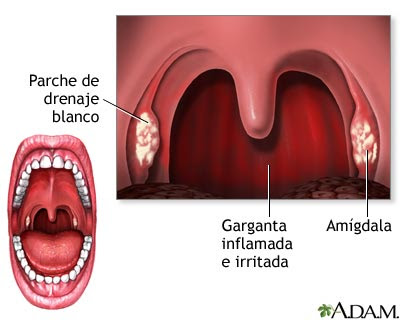
Pharyngitis is the commonest cause of simple "sore throat". It may be due to infective or other causes. Viral infections include coryza, influenza, adenovirus, herpes simplex, measles, rubella, chickenpox, Coxsackie and echoviruses. Bacterial pathogens such as streptococci, Staphylococci, Penumococci, H. Influenzae, C. diphtheriae, fusobacterium, gonococci and T. Pallidum and fungi such as Candida albicans may lead to pharyngitis. In agranulocytosis and acute leukemia, necrotic ulceration of the tonsils and pharynx may be the presenting symptom. Excessive smoking, noxious fumes, corrosive and unaccustomed spicy foods are common irritants. Pharyngitis may also be caused by allergy to inhaled or ingested allergens.


Nursing Diagnosis for Pharyngitis

1. Acute pain related to inflammation of the throat.

2. Ineffective airway clearance related to thick secretions characterized by difficulty in breathing.

3. Imbalance nutrition less than body requirements related to difficulty swallowing.

4. Knowledge Deficit related to not familiar with the sources of information.

Nursing Diagnosis for Impetigo

Nursing Diagnosis for Impetigo
Nursing Care Plan for Impetigo Nursing Diagnosis for Impetigo

Nursing Diagnosis for Impetigo

Impetigo is a highly contagious bacterial skin infection most common among pre-school children. People who play close contact sports such as rugby, American football and wrestling are also susceptible, regardless of age. Impetigo is not as common in adults. The name derives from the Latin impetere ("assail"). It is also known as school sores.

It is primarily caused by Staphylococcus aureus, and sometimes by Streptococcus pyogenes. According to the American Academy of Family Physicians, both bullous and nonbullous are primarily caused by Staphylococcus aureus, with Streptococcus also commonly being involved in the nonbullous form.


Nursing Diagnosis for Impetigo

1. Impaired Skin Integrity
2. Risk for Infection
3. Disturbed Body Image
4. Anxiety
5. Knowledge Deficit

Nursing Diagnosis for Congenital Dislocation Of The Hip

Nursing Diagnosis for Congenital Dislocation Of The Hip
Nursing Care Plan for Congenital Dislocation Of The Hip - Nursing Diagnosis for Congenital Dislocation Of The Hip

Congenital dislocation or subluxation of the hip (congenital acetabular dysplasia) is a complete or partial displacement of the femoral head out of the acetabulum. The physical signs are essential for the diagnosis of age related. In newborns the tests for instability are the most sensitive. After the neonatal period, and until the age of walking, tightness of the adductor muscles is the most reliable sign. Early diagnosis is vital for Successful treatment of this condition partially genetically determined. Various therapeutic measures, ranging from abduction splinting to open reduction and osteotomy, may be required. Following the diagnosis in the first month of life, the average treatment time in one recent series was only 2.3 months from initiation of therapy to Attainment of a normal hip. When the diagnosis was not made until 3 to 6 months of age, ten months of treatment was required to Achieve the same outcome. When the diagnosis is not made, or the treatment is not Begun until after the age of 6, a normal hip will probably not develop in any patient. (ncbi.nlm.nih.gov)

Nursing Diagnosis for Congenital Dislocation Of The Hip
  1. Acute Pain related to dislocation
  2. Impaired Physical Mobility related to pain during mobilization
  3. Disturbed Body Image related to changes in body shape

Nursing Diagnosis Risk for Infection - Tuberculosis NCP

Nursing Diagnosis Risk for Infection - Tuberculosis NCP
Nursing Diagnosis Risk for Infection

Nursing Care Plan for Tuberculosis

Nursing Diagnosis : Risk for Infection related to lack of knowledge in order to avoid exposure of pathogens.

Expected outcomes are:
  • Lowers the risk of spreading infection

Nursing Interventions Risk for Infection - Tuberculosis NCP:
  • Review of pathology of the disease.
  • Identification of others at risk.
  • Instruct patient to cough / sneeze and remove the tissue and avoid spitting.
  • Review of infection control measures.
  • Keep an eye on the temperature as indicated.
  • Collaboration with the medical team.
Rationalization:
  • Help patients recognize / accept the need to comply with treatment programs.
  • People who are exposed to drug treatment programs to prevent the spread / infection.
  • Can help reduce the patient's sense of isolation.
  • Febrile reaction indicators of infection.
  • Help identify institutions that could be reached to reduce the spread of infection.
Copyright © Nursing Diagnosis Intervention. All rights reserved. Template by CB | Published By Kaizen Template | GWFL | KThemes